

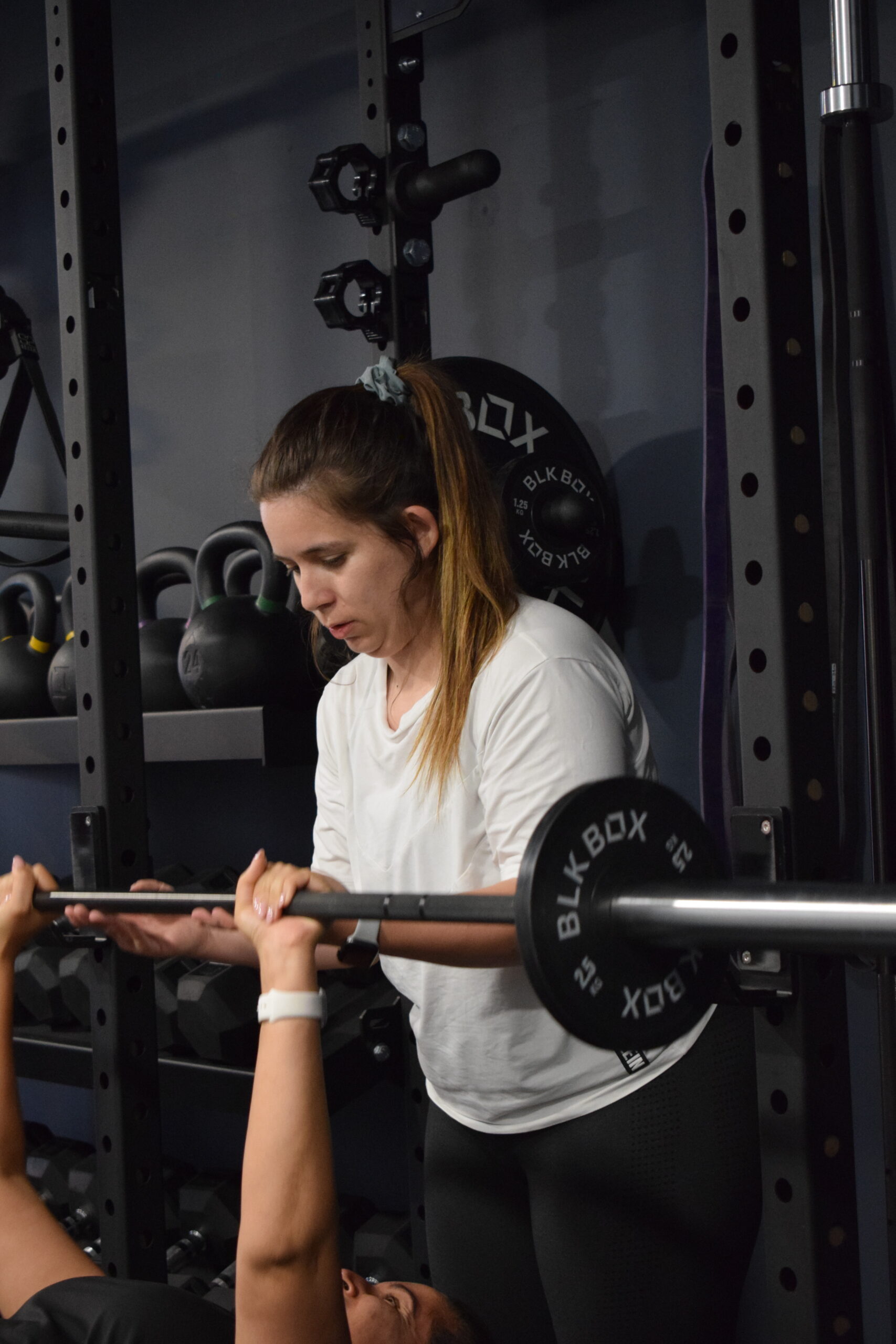
In the world of boutique fitness, a “Pilates-only” schedule is often the go-to for those focusing on core stability and mobility. While Pilates is a brilliant tool for building body awareness, many people eventually find their physical progress reaches a plateau.
At Unity23, we believe the “missing link” for long-term health isn’t just more movement—it’s the specific physiological impact of heavy strength training. When comparing strength training vs Pilates, it is important to understand how the intensity of your training affects your ability to build a capable, resilient body.

1. Beyond Stability: The Power of Maximal Strength
While Pilates focuses on controlled, low-impact movements, recent clinical research highlights that heavy strength training is what truly moves the needle for health. According to a study on Heavy Strength Training and its implications for health, lifting higher loads is uniquely effective at improving maximal strength and rate of force development (how quickly your muscles can produce power).
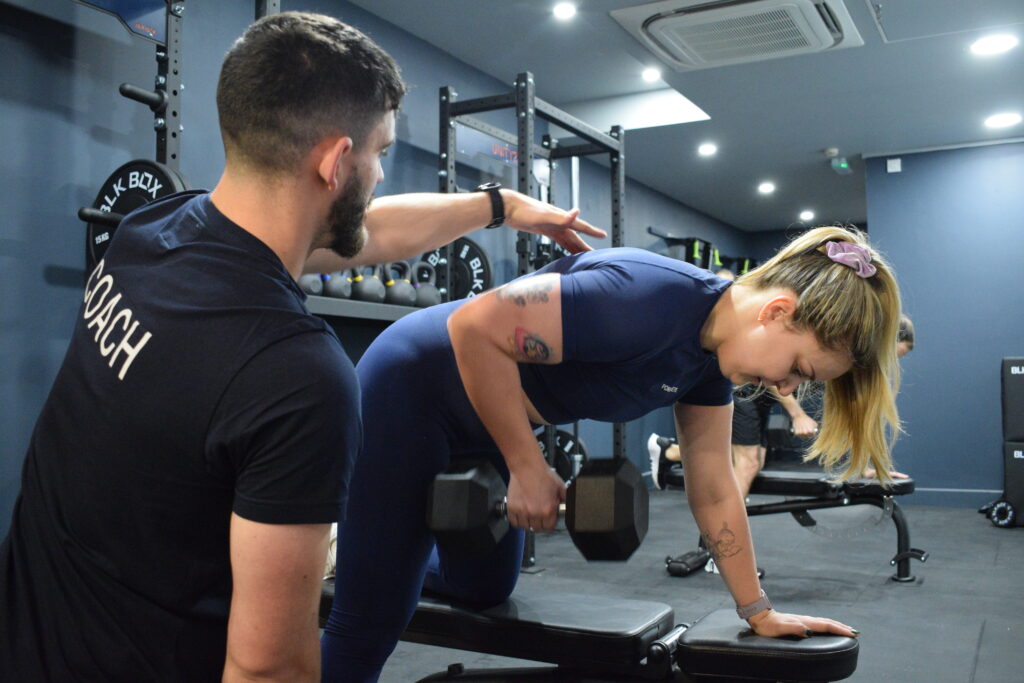
While Pilates builds a stable foundation, it often lacks the load required to trigger these high-level adaptations. In our Small Group Personal Training sessions, we focus on progressive resistance. This doesn’t just “tone” muscle; it improves the neuromuscular efficiency of your existing muscle fibres, making you feel more capable and energetic in everyday life.
2. The “Muscle Bulk” Myth vs. Physiological Reality
One of the most common reasons people hesitate when considering strength training vs Pilates is the fear of becoming “bulky.” However, science tells a different story.
The muscle bulk myth often deters people from the very thing they need. Significant muscle size increase (hypertrophy) requires a very specific combination of high-volume lifting and a consistent caloric surplus. In contrast, the strength training we prioritise focuses on making your body firmer and stronger without unnecessary size. You gain the “lean” look many seek in Pilates, but with the added metabolic power of true strength.
3. Muscle Mass as a Protective Shield for Longevity
The research by Tøien and colleagues emphasises that muscle mass and longevity are intrinsically linked. Specifically, heavy strength training is shown to:
- Improve Metabolic Health: Muscle acts as a primary site for glucose disposal, helping to maintain healthy blood sugar levels.
- Counteract Age-Related Decline: It is the most effective way to prevent the loss of muscle mass (sarcopenia) as we get older.
While Pilates is great for supporting fat loss through general activity, strength training provides a “metabolic insurance policy” that bodyweight or spring-based resistance simply cannot match.
4. Stability + Strength: A Better Balance
The debate of strength training vs Pilates shouldn’t be about choosing one or the other. The “mind-body” connection fostered in Pilates actually makes you a more effective and safer lifter.
However, to move from feeling flexible to feeling truly powerful, the introduction of external load is necessary. At Unity23, it’s about providing your body with the structural tools to handle the demands of a busy life with ease.
How to Get Started: The 23-Day Trial
At Unity23, we focus on evidence-based training and a community that supports your long-term health. We don’t do “quick fixes”; we build habits that last.
If you’ve been a Pilates devotee but feel ready to explore what a strength-biased approach can do for your health and energy, the best way to find out is to experience it for yourself.
We invite you to take the first step with our 23-Day Trial. It is designed to give you a complete look at how we work, allowing you to experience our Small Group Personal Training and community with no long-term commitment.